

High-ticket affiliate marketing is one of the most profitable branches of affiliate marketing, where you can earn $100 to $1,500+ (or even more) in commission from a single sale.
Instead of promoting low-priced products with small commissions, high-ticket affiliates focus on premium products and services and earn bigger rewards for similar effort.
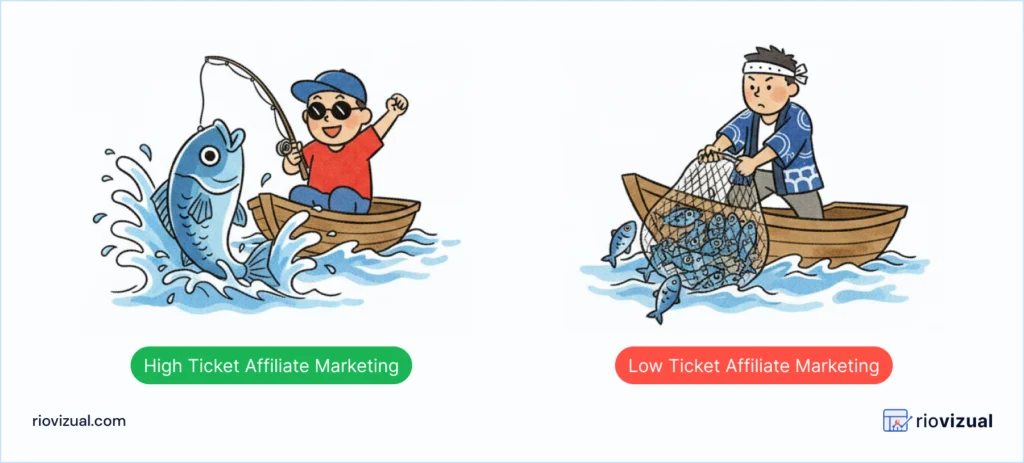
It’s like fishing for a few big catches instead of many small ones.
In this guide, we will explain what high-ticket affiliate marketing is, how it works, and how you can start your own high-ticket affiliate marketing business.
And as a bonus, you will get the best high-ticket affiliate programs and the best tools for high-ticket affiliate marketing.
What is High Ticket Affiliate Marketing?
In affiliate marketing, a product or service is typically considered “high ticket” when the commission rate ranges from 10% to 50% (or even higher for SaaS products), and the payout per sale exceeds $100.
These products or services are often positioned in the premium segment. The average order value (AOV) of high-ticket products typically starts at $200 and can go much higher.
For example, SaaS products often pay 20% to 70% in affiliate commissions per sale. Some also offer recurring commissions, which supports long-term growth. This is why SaaS is considered a high-ticket affiliate marketing niche.
Some high-ticket affiliate marketing niches are:
- Software as a Service (SaaS)
- Financial Service
- Luxury goods and experience
- Online education and e-learning
- Jewellery
- Machinery and Equipment
- High-End Electronics
High Ticket vs Low Ticket Affiliate Marketing
Key Factors | High Ticket Affiliate Marketing | Low Ticket Affiliate Marketing |
|---|---|---|
Product Price Range | $500 – $20,000+ | $1 – $100 |
Commission per Sale | $100 – $1,500+ per sale | $1 – $50 per sale |
Commission Rate | 10% – 50% (higher for digital products) | Usually 2% – 20% |
Application Process | Strict, often requires approval | Easy, usually instant approval |
Cookie Duration | 30 – 180 days | 24 hours to a few weeks |
Sales Volume | Need fewer sales to reach revenue goals | Requires a higher sales volume to generate significant revenue. |
Products Example / Niches | SaaS, Financial services, Luxury goods, jewellery, Online courses, Machinery. | Consumer Goods, Budget software, entry-level tools, and ebooks. |
Sales Cycle | The sales cycle is longer, and buyers take more time during the consideration phase. | The sales cycle is shorter because many impulsive buyers make quick purchase decisions. |
Target Audience | Businesses, entrepreneurs, high-income individuals, and serious learners | General consumers, hobbyists, bargain hunters |
Marketing Effort | High: authority building, quality content, multi-channel presence, strong funnels | Lower: easier promotion with low authority channels |
Initial Investment | Higher: Requires premium tools, ad spend, website optimization, and multichannel content production. | Lower – Can start with free channels like (YouTube, Social, Blogs) and free tools to begin with. |
Competition Level | Fewer affiliates, but you must build strong brand trust and credibility to earn commissions. | High number of affiliates, but it’s easier to get in. |
Trust Factor | Critical – Buyers expect credibility, proof, and case studies. | Moderate – Trust helps, but a low-ticket purchase needs less effort to convince. |
Risk Level | Higher: More upfront effort and a longer time to see results. One failed campaign can cost more time and money. | Lower: You can test faster with smaller stakes and get results sooner, even with less authority. |
Beginner Suitability | Best for experienced marketers. | Easier for beginners. |
Scalability | Scalable by building authority, automation, and funnels. | Scalable by sales volume, mass content creation, consistent traffic. |
How to Get Started with High-Ticket Affiliate Marketing?
To build a successful high-ticket affiliate marketing business, you need a clear plan and the right mindset. Even if you’re working alone with a small budget, remember that your time and effort are an investment.
“Treat your Domain-hosting bills, content cost, and work hours as part of that investment.”
Follow these steps to get started with High Ticket Affiliate Marketing:
A. Find High Ticket Affiliate Marketing Niches
Start by identifying the right niche for your high-paying affiliate business. Your niche should be very specific so you can build trust and authority easily.
Many people make the mistake of choosing a niche simply because an influencer suggests it or someone has had success with it, only to regret it later. They then blame affiliate marketing as a whole.
Follow these steps to avoid any mistakes:
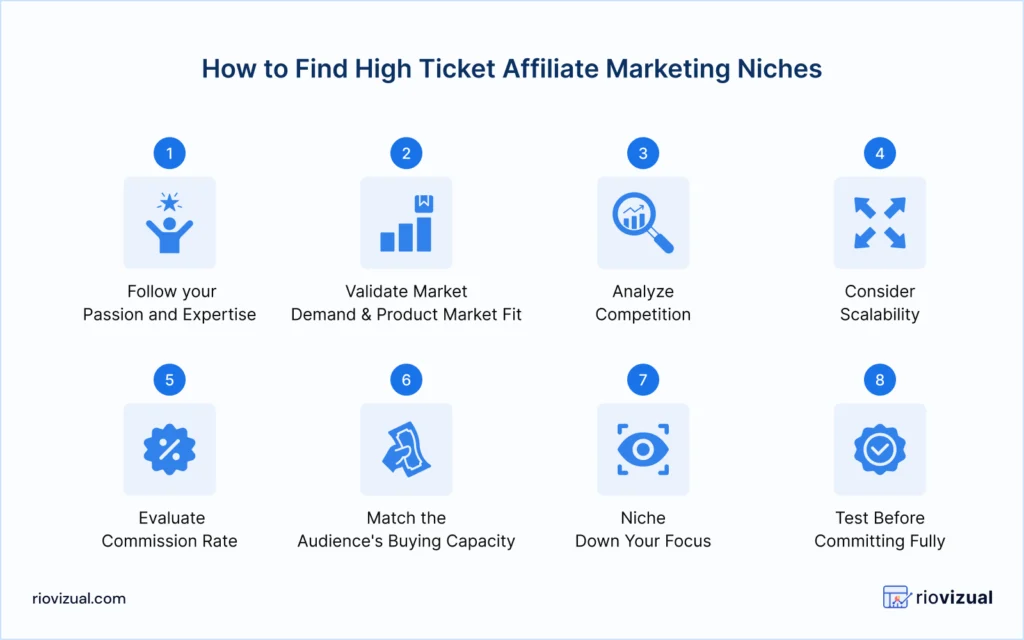
1. Follow your Passion and Expertise:
Pick a niche where you already have knowledge, experience, or a genuine interest.
This will help you stay committed in the long run. Promoting high-ticket programs requires establishing authority and trust, which is easier if you genuinely care about the niche.
2. Validate Market Demand & Product Market Fit:
Use your marketing brain to check the demand for the product/service.
Use tools like Google Trends, Ahrefs, and Semrush to check whether the product or service has consistent demand, and whether interest is rising or falling.
Also, make sure the product or service has a proven track record. Review its sales history, case studies, and customer testimonials to ensure it meets real market needs and fits your audience’s expectations.
3. Analyze Competition:
High competition means a high demand. But try to avoid oversaturated niches unless you can add unique value there.
Study the top affiliates in your niche to understand their content strategy and identify any gaps. It will provide you with enough scope to add your unique value proposition.
4. Consider Scalability:
Choose a niche that offers the potential to expand beyond a single product or service. This gives you room to scale your business.
For example, a SaaS niche lets you expand from promoting one tool to an entire software stack.
5. Evaluate Commission Rate:
Not all high-ticket products pay you equally. Compare their commission rates, cookie duration, and payout models to choose the right niche.
6. Match the Audience’s Buying Capacity:
Make sure you choose a niche where your target audience can afford high-ticket products or services.
For example, Entrepreneurs and businesses can afford $1,000 software, but a hobbyist might struggle.
7. Niche Down Your Focus:
Choosing a micro niche can help you gain topical authority and attract quality traffic more quickly than opting for a broader niche.
Additionally, it will help you understand the buyer’s journey, their characteristics, and pain points better. This enables you to personalize your promotions and improve your return on investment (ROI).
8. Test Before Committing Fully:
Run small test campaigns, such as creating blogs, YouTube videos, and email sequences, to determine if your chosen niche and content can meet the fundamental marketing KPIs required to build a performance-oriented high-ticket affiliate marketing business.
Pro Tips:
To build a successful affiliate business, you need to solve a real problem. Ask yourself, does the content you are producing and the product and service you are promoting make someone’s life or business easier, faster, or better? If yes, then stick with it. Real businesses can’t be built on trends; they need a solid foundation built on solving real problems.
B. Choose a High Ticket Affiliate Marketing Program:
Once you have selected your niche, the next step is to find and join an affiliate program that fits your niche, products, and audience. Choosing the right affiliate program is critical. Not every high-ticket affiliate program is trustworthy and worth your time.
Here’s a proven process of choosing the right high-ticket affiliate program:
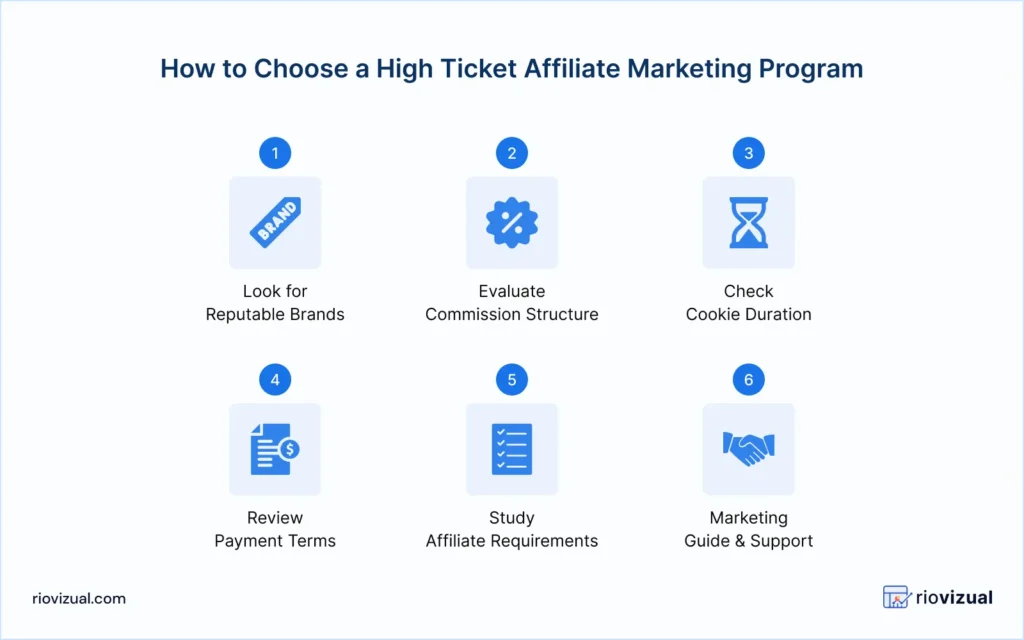
1. Look for Reputable Brands:
Prioritize affiliate programs from established companies with a solid track record. If the brand is trusted, people will be more open to buying through your link.
If you already know some companies and their products or services, do a Google search using: “Company Name + affiliate program”.
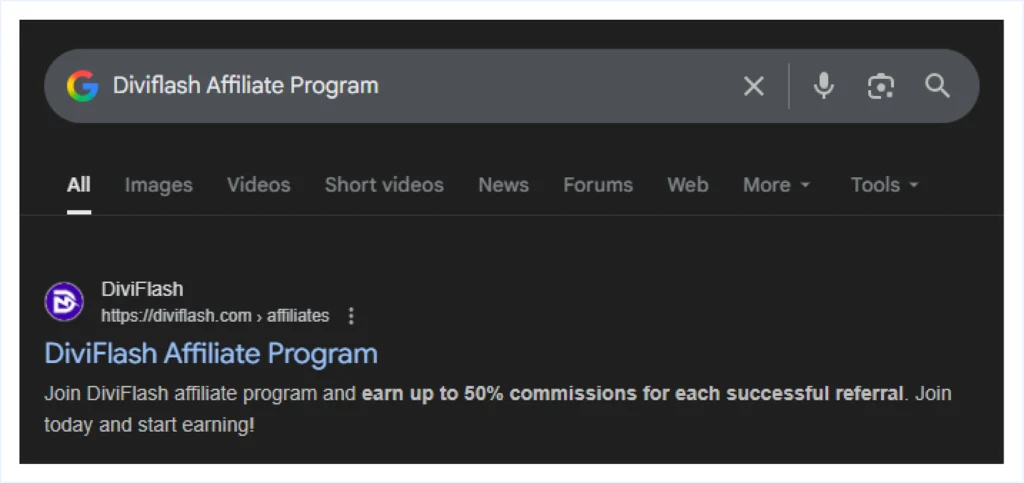
Or, you can search using: site:company-url affiliate program
![Searching google using company url [space] affiliate program](https://riovizual.com/wp-content/uploads/2025/09/searching-google-with-company-url-space-affiliate-program-1024x473.webp)
For example, we searched: site: https://semrush.com/ affiliate program.
It shows the Affiliate Program page of SEMrush.
However, in this article, we have shared some high-ticket affiliate programs you may like.
2. Evaluate Commission Structure:
Check how the Affiliate Program pays its affiliates.
Some of them offer a percentage and a flat amount on each sale. Subscription-based platforms are sharing long-term recurring commissions.
Aim to join a program that offers at least 10% to 50% commission per sale. If possible, choose one that offers recurring commissions.
3. Check Cookie Duration:
High-ticket products/services often require a longer sales cycle, while the end customer usually spends a longer time in the consideration stage.
Choosing a program that offers at least 60 days of cookie duration is a good starting point. If possible, aim for 90 to 120 days.
4. Review Payment Terms:
Carefully review how and when you will get paid, refund policies, payment methods, and more. Some affiliate programmes pay weekly, monthly, or even quarterly.
Make sure the payout threshold isn’t too high, especially when you are just starting.
5. Study Affiliate Requirements:
Read the unique affiliate requirements and rules carefully. And make sure you meet all the requirements before starting.
High-ticket affiliate programmes often require evidence of your traffic source and engagement. And some programmes require you to have presence on specific channels.
6. Marketing Support:
A good affiliate programme doesn’t just provide you with a link and leave you on your own.
They should provide promotional assets to make your marketing work easier.
Look for programs that offer detailed product training, product photography, and creative banners, as well as an affiliate dashboard to track your clicks, conversions, and refunds.
C. Grow a relevant audience base:
After choosing the right affiliate program, it’s time to grow a relevant audience based on your niche and the product or service you are promoting.
Follow the few simple steps to do this:
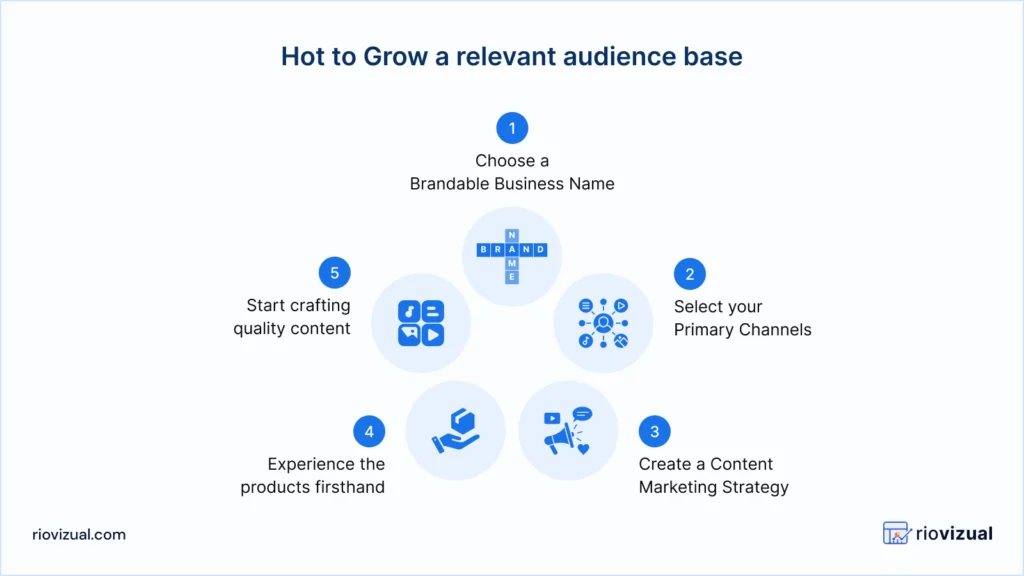
1. Choose a Brandable Business Name:
Choose a brandable business name that is relevant to your niche and easy to recall. Make sure the domain is available to create a website with the name.
2. Select your Primary Channels:
Select the primary channels where you want to engage your audience. This could be a website or blog, social media platforms, or a YouTube channel.
If you plan to build a long-term affiliate business with full control over content and monetization, creating a website is often the best starting point.
We have explained the full process in our How to create an affiliate marketing website guide.
3. Create a Content Marketing Strategy:
Create a personalized content marketing strategy based on your target audience.
When developing your strategy, ensure you have created a comprehensive funnel, such as the AIDA model (Awareness, Interest, Desire, Action).
Also, sequence and segment your content to match the funnel and provide value to your audience.
And make sure you have chosen a multichannel content marketing approach to better connect with your audience and build authority and trust.
4. Experience the products firsthand:
Quality content can never be produced if you haven’t experienced the product or service firsthand.
First, use the products or services you plan to promote, then share honest feedback so your audience can make an informed decision.
5. Start crafting quality content:
After completing these steps, it’s time to create quality content that your audience will rely on. It could be a blog, a video, an email newsletter, or a social post.
Focus on creating content for one of your primary channels and then repurpose it for others.
For example, a well-written blog post can be converted to a quality video script and an amazing source of social media posts.
10 Best High Ticket Affiliate Programs
As a SaaS company, we’re familiar with high-paying affiliate programs that offer the best recurring commissions for their affiliates. Let’s explore what they offer and whether they are a good fit for you.
1. DiviFlash:
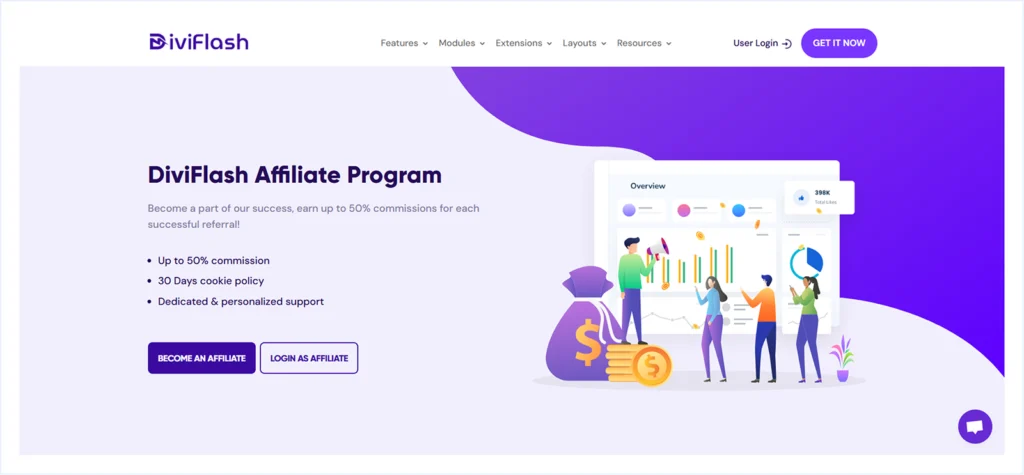
DiviFlash is a powerful Addon Plugin for websites built with the Divi theme. It extends Divi’s core functionalities with advanced modules and features for creating advanced websites. With 100K+ active users and being the best seller in the Elegant theme marketplace, DiviFlash also runs a high-ticket affiliate program that rewards its affiliates fairly.
Key Details:
- Niche: WordPress
- Commission Rate: Up to 50%
- Recurring Commission: No
- Minimum Payout Threshold: $50
- Payout Schedule: Monthly (30 days after purchase)
- Cookie Duration: 30 days (last-click attribution)
- Approval Time: 24-72 hours
2. SEMrush:
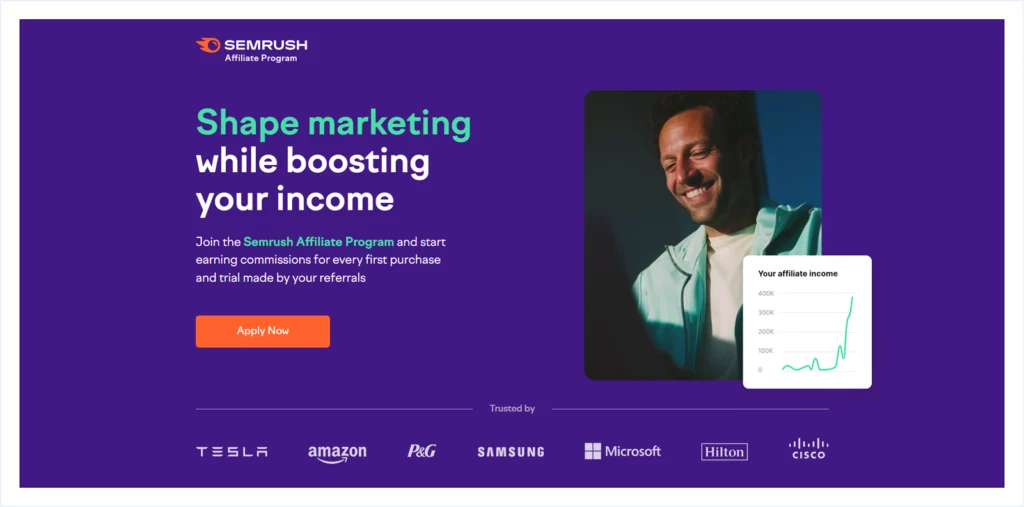
SEMrush is one of the most trusted digital marketing tools used by businesses, agencies, and marketers for SEO, PPC, content marketing, and competitor analysis. With over 1.7 million active users and a strong brand reputation, its affiliate program has become a popular choice for high-ticket affiliate marketers who want to promote a well-established SaaS product.
Key Details:
- Niche: SaaS (SEO and Content Marketing)
- Commission Rate: Up to $350+ per sale
- Recurring Commission: No
- Minimum Payout Threshold: $50
- Payout Schedule: 48 days (27 days payment lock + 21 days payment delay)
- Cookie Duration: 120 days (last-click attribution)
- Approval Time: 2 working days (may take longer in some cases)
3. Kinsta
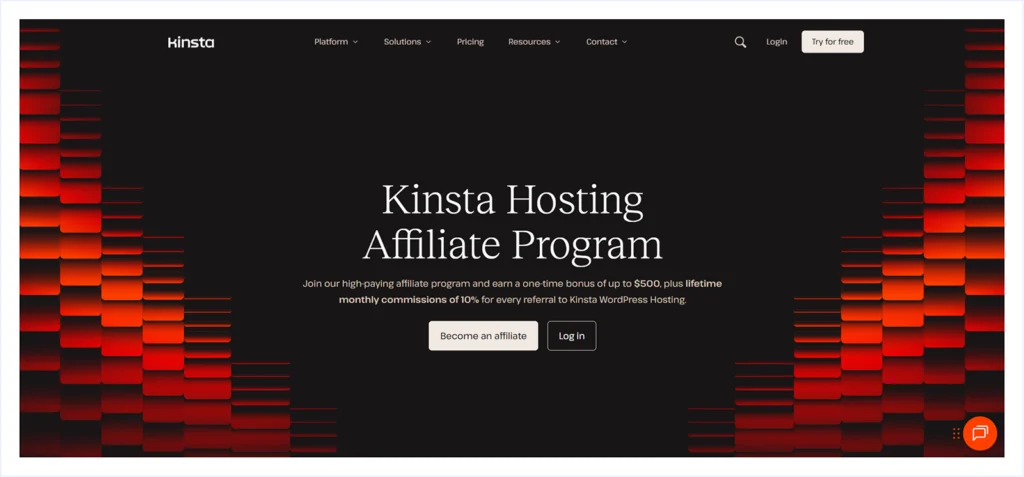
Kinsta provides premium managed WordPress and database hosting, with one-time commissions up to $500 with recurring monthly payouts. The combination of large upfront payments and steady lifetime commissions makes Kinsta a strong high-ticket affiliate program for long-term income.
Key Details:
- Niche: Hosting
- Commission Rate: Up to $500+ per sale
- Recurring Commission: Yes (10% lifetime for managed WP hosting, 5% on others)
- Minimum Payout Threshold: $50
- Payout Schedule: Monthly (15th-20th of each month)
- Cookie Duration: 60 days (last-click attribution)
- Approval Time: Within 3 business days.
4. WP Engine
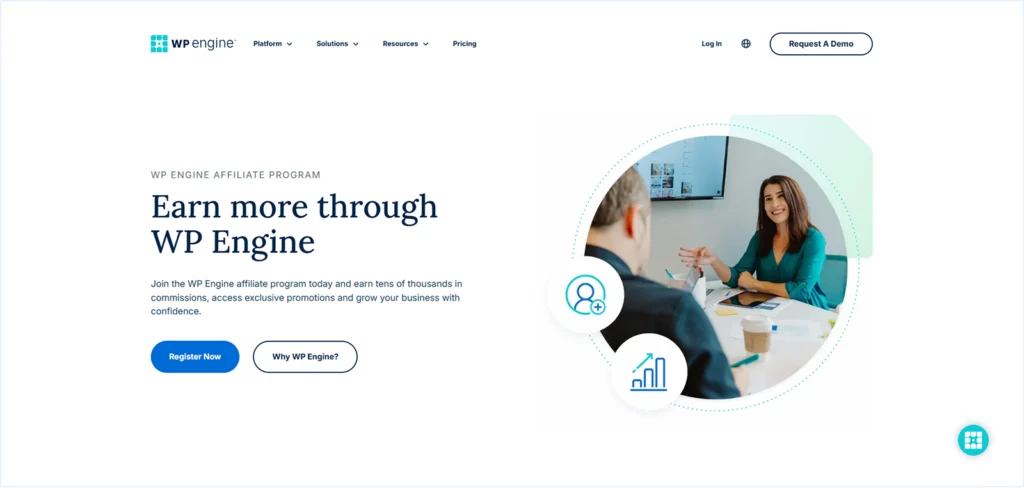
WP Engine is known for its premium and managed WordPress hosting. With a strong brand reputation and high commission structure, it has become a good choice for affiliate marketers who are searching for a high-ticket affiliate marketing program.
Key Details:
- Niche: Hosting Service (Managed WordPress Hosting)
- Commission Rate: Up to $200+ per sale
- Recurring Commission: No
- Minimum Payout Threshold: Not specified
- Payout Schedule: Monthly (20th of each month, 62-day referral period)
- Cookie Duration: 180 days (last-click attribution)
- Approval Time: 3-5 business days
5. TripAdvisor
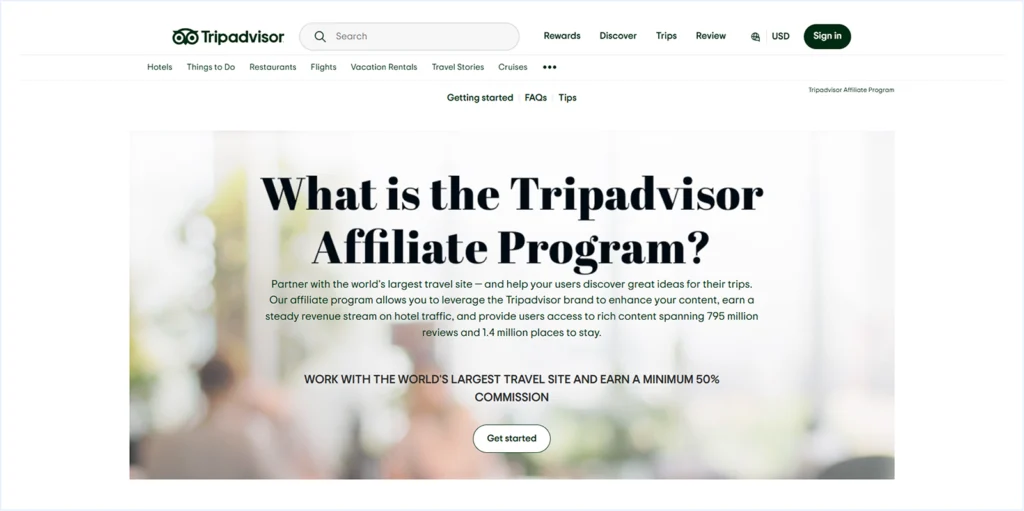
TripAdvisor is a renowned platform in the travel and hotel booking industry, which also runs a high-ticket affiliate marketing program. It offers commissions for the traffic generated by their affiliates who also visit their hotel booking partners. With a strong brand reputation, TripAdvisor can be a good high-ticket affiliate program for marketers who want to tap into the travel niche.
Key Details:
- Niche: Travel Planning and Booking
- Commission Rate: 50% on hotel bookings
- Recurring Commission: No
- Minimum Payout Threshold: $50 (via cj.com)
- Payout Schedule: Monthly (20th for all currencies, 28th for USD, GBP, or EUR)
- Cookie Duration: 14 days (Multi-touch attribution model)
- Approval Time: Within a few days (manual review)
6. Shopify
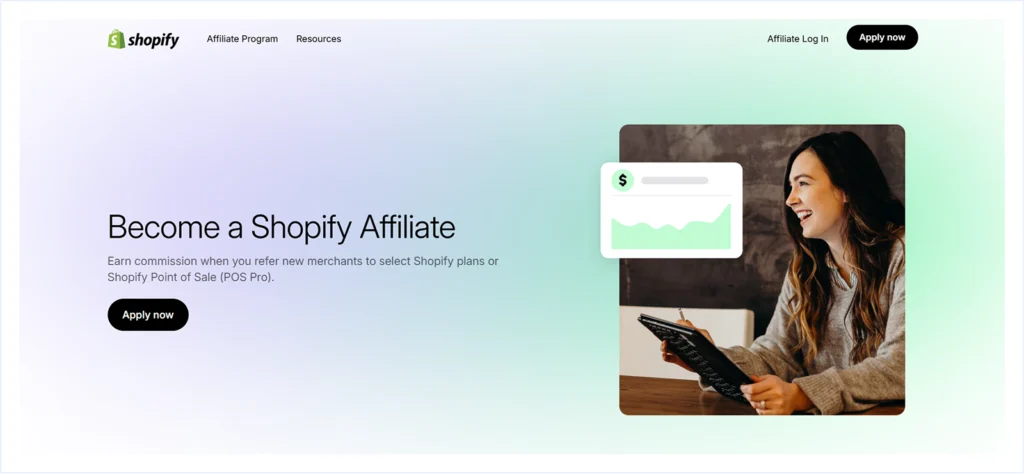
Shopify is the most used CMS among e-commerce business owners and agencies seeking no-code platforms to create e-commerce websites. They are running a popular high-ticket affiliate program for the affiliates who want to work with an established CMS platform.
Key Details:
- Niche: Content Management System (CMS)
- Commission Rate: Up to $150 per sale (region-specific)
- Recurring Commission: No
- Minimum Payout Threshold: $10
- Payout Schedule: Monthly (22nd of each month)
- Cookie Duration: 30 days (400 days for free trial to paid)
- Approval Time: 24 hours (May take longer in some cases)
7. Click Funnels
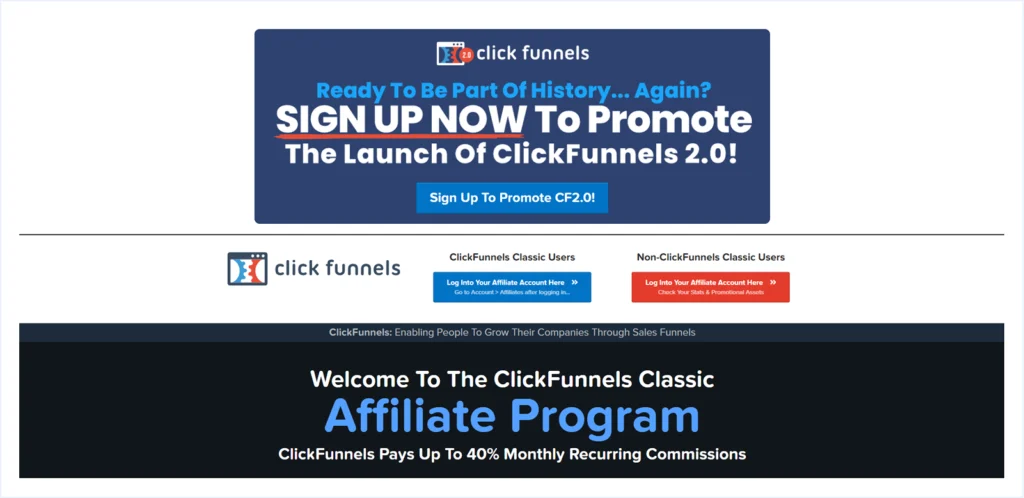
ClickFunnels is a go-to marketing funnel builder popular among marketing professionals, businesses, and agencies. With a strong commission structure and recurring commissions, ClickFunnels can be a good addition if you want a reputable high-ticket affiliate program in the SaaS niche.
Key Details:
- Niche: SaaS (Sales funnel builder)
- Commission Rate: Up to 40%
- Recurring Commission: Yes (30%)
- Minimum Payout Threshold: $100
- Payout Schedule: Twice a month (1st and 15th calendar date)
- Cookie Duration: 45 days (last-click attribution)
- Approval Time: 2-3 business days
8. Liquid Web
Liquid Web is known for its premium hosting solution for enterprises, agencies and developers who need a reliable and secure hosting. Its affiliate program is one of the most rewarding in the hosting niche, ideal for affiliates seeking a high-ticket opportunity.
Key Details:
- Niche: Hosting Service (Enterprise, Agency, Developers)
- Commission Rate: 300% – 400% (Up to $600 per sale)
- Recurring Commission: No
- Minimum Payout Threshold: Not specified
- Payout Schedule: Once every three months
- Cookie Duration: 90 days (last-click attribution)
- Approval Time: Within a few days after application
9. HubSpot
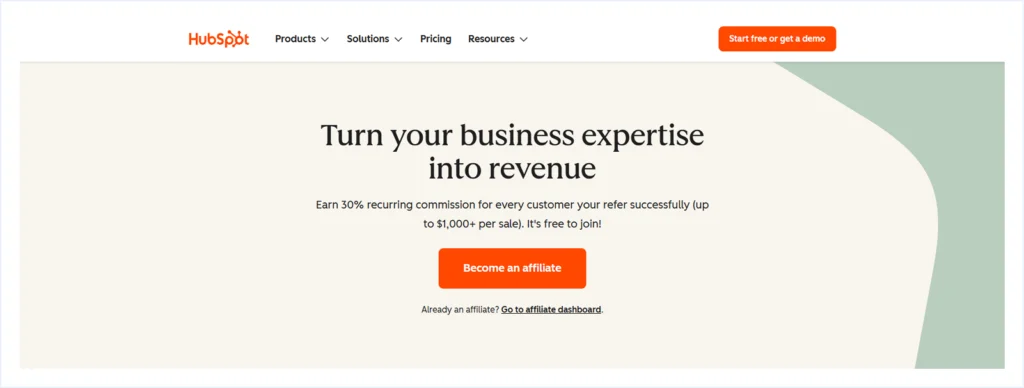
HubSpot is a marketing and automation software designed to maintain customer relationships for both B2B and B2C businesses. With a strong brand recognition, they run a high-ticket affiliate marketing program with long-term recurring commissions. This could be a good addition for affiliates looking to work in the entrepreneurship, business, and marketing niche.
Key Details:
- Niche: SaaS (CRM, Marketing, Sales, Customer Service)
- Commission Rate: Up to $1,000 per sale
- Recurring Commission: Yes (30%)
- Minimum Payout Threshold: $10
- Payout Schedule: Not specified
- Cookie Duration: 180 days
- Approval Time: Within 2-3 business days
10. GetResponse
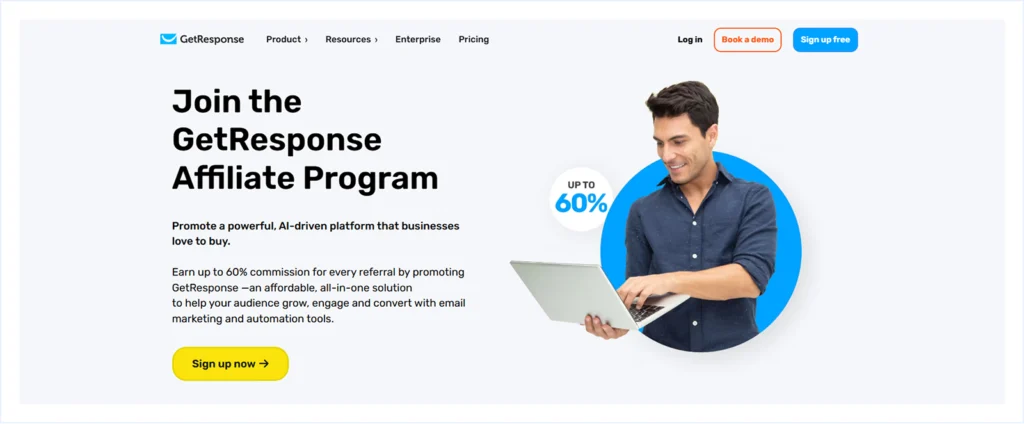
GetResponse is another widely used CRM and marketing automation tool designed for businesses and agencies. With a strong brand reputation and high commission rate, including a 12-month recurring commission, it could be a good addition for you if you are looking for a high-paying affiliate program in the business, entrepreneurship, and marketing niche.
Key Details:
- Niche: SaaS (Marketing Automation and Email Marketing)
- Commission Rate: Up to 60%
- Recurring Commission: Yes (for the first 12 months)
- Minimum Payout Threshold: $50-200 (depending on payout method)
- Payout Schedule: Once every 90 days for the Bounty Program and monthly on the 20th for the recurring program.
- Cookie Duration: 90 days (last-click attribution)
- Approval Time: Typically, it takes 72 hours for manual approval.
Pros and Cons of High Ticket Affiliate Marketing
Establishing a high-ticket affiliate marketing business has some Pros and Cons that need to be considered before starting.
Pros:
- Higher Commissions per Sale: A single sale in a high-ticket niche can bring $100-$1500.
- Fewer Sales Needed: You need only a few sales instead of hundreds of small sales to reach the income goal.
- Recurring Commissions: High-ticket programs like SaaS & subscription-based models offer recurring commissions, which help to get a steady and long-term income.
- Serious Audience: The audience willing to buy high-ticket products is often business owners, entrepreneurs, decision makers, or professionals with real buying intent.
- Scalability: Once you build trust with your audience, you can white label or create your own product, which allows you to scale your business.
- Strong Brand Partnership: High-ticket affiliate programs are often run by established companies that provide better support, training, and resources.
Cons:
- Longer Sales Cycle: Expensive products take time to sell. Buyers go through a longer consideration phase while researching and comparing options.
- Harder to Build Trust: Convincing someone to buy an expensive product/service requires strong authority, credibility, case studies, and testimonials.
- High Investment: Marketing high-ticket products often requires investment in high-quality content (blogs, videos, webinars, and email funnels) to educate and nurture leads.
- More Competition: High commissions attract many affiliates, which can make popular niches harder to enter for newcomers.
- Need More Expertise: To improve someone’s life or business, you must develop expertise in a specific field to deliver value to the end customer.
- Strict Affiliate Rules and Requirements: High-ticket affiliate marketing businesses must follow strict guidelines while promoting the products and services. They often need to meet specific requirements to get approval.
Best Tools for High Ticket Affiliate Marketing
Building a high-ticket affiliate marketing business requires advanced tools for tasks such as creating a website, conducting competitor analysis, and producing content. Here are some must-have tools to get started.
WordPress Plugins:
- RioVizual: For creating high-converting product/service comparison.
- PrettyLinks / ThirstyAffiliates: To manage and track affiliate links from a single dashboard.
- CookieYes: Add cookie consent banner and stay GDPR/CCPA compliant.
- Rank Math: For optimizing content and pages for search engines.
SEO and Keyword Research Tools:
- Google Trends: Track search interest and trending over time.
- Ahrefs / Semrush: Keyword research and competitor analysis.
- Jungle Scout / Helium10: Research demands for e-commerce products.
- SurferSEO: Content optimization with on-page SEO suggestions.
Content Writing and Editing Tool:
- Google Docs: To draft and collaborate on content.
- Grammarly/Hemingway: To fix grammar and improve content readability.
- ChatGPT / Gemini /Jasper: For generating ideas and draft content.
Design and Creative Tools:
- Canva: For creating quick graphics and templates.
- Photoshop: For advanced design and editing.
- Figma: For creating advanced landing page UI with collaboration.
Many marketers now rely on AI-powered solutions to simplify these workflows, which we’ve covered in our Best AI tools for affiliate marketing guide.
Common Affiliate Marketing Mistakes to Avoid
The famous American investor Warren Buffett once said,

I have seen many people make mistakes while starting their affiliate marketing business, and I want to share some of their errors so you can avoid the same pitfalls when starting your own.
Fix these affiliate marketing mistakes before they kill your earnings.
Some common mistakes in affiliate marketing are:
- Not setting SMART goals, and setting unrealistic goals instead.
- Choosing the wrong niche without proper research, often influenced by others.
- Not conducting competitor analysis to find gaps.
- Copying others without adding unique value.
- Choosing the wrong affiliate program or low-quality products.
- Not having solid product or service knowledge.
- Not identifying the right audience and an ideal customer profile.
- Failing to understand the audience’s needs and pain points.
- Failing to build trust, and focusing more on selling than helping.
- Promoting too many similar products within the same niche.
- Not applying a solid SEO strategy for long-term growth and sustainability.
- Overlooking content quality and focusing only on quantity.
- Creating content without experiencing the product or service firsthand.
- Failing to create evergreen content and focusing only on trends.
- Ignoring user experience on the affiliate website or blog.
- Relying on one affiliate program and not exploring alternatives.
- Chasing short-term gains using black-hat methods.
- Not tracking performance and learning from analytics.
- Relying only on organic traffic and avoiding ads when CPC is low.
- Relying on only one marketing channel.
- Not building a community, and overlooking user reviews.
- Ignoring social media and cross-promotion opportunities.
- Not disclosing affiliate relationships to provide transparency and build trust.
- Not staying willing to learn and apply new tactics.
- Overlooking strategies that work for your niche.
- Not tracking earnings and expenses.
- Not focusing on building a brand, and focusing only on selling.
- Focusing only on affiliate commissions, and ignoring opportunities to create your own products or services.
FAQ
Conclusion:
High-ticket affiliate marketing is ideal for those who prefer fewer sales, higher commissions, and long-term scalability built on trust and authority. While it requires patience and consistent effort, the rewards can be significantly higher than traditional low-ticket models.
If you’re exploring different online business models and want to understand how affiliate marketing compares with selling physical products, our Affiliate Marketing vs Dropshipping guide walks through the key differences to help you choose the right path.

Leave a comment