

According to Dynu in Media, “Around 95% of affiliate marketers fail.”
It doesn’t mean that they aren’t capable; most fail due to common mistakes that could have been avoided with the right mindset and approach.
These mistakes can also cost you time, effort, and hard-earned money. And often leave a discouragement that prevents you from trying again in the future.
In this article, we will guide you through the 15 biggest mistakes that most affiliates make and show you how to avoid them with the right approach, enabling you to become part of the 5% who succeed.
#1 Failing to Define Clear Goals and Strategy
Can’t stop me from recalling a favourite quote of mine –
“If you don’t know where you’re going, any road will get you there.” – Lewis Carroll.
I first came across this quote in the robots.txt file of the renowned SEO blog Search Engine Land. They carefully placed it there as a reminder to SEO professionals.
This message is relevant for affiliate marketers, too.
Starting an affiliate marketing business without setting a clear goal and strategy is like starting a journey without a destination in mind.
You may spend months creating content, testing products, and investing in tools, but without direction, your effort won’t compound.
Many affiliates skip this step because they are eager to “just start”. But here’s the truth,
Goals give you clarity, and strategy gives a roadmap.
Whether your target is earning your first $500, building an email list of 1,00 subscribers, or creating a content hub that ranks on Google, you need measurable milestones.
How to Avoid This Mistake:
Start by defining a SMART goal. SMART stands for:
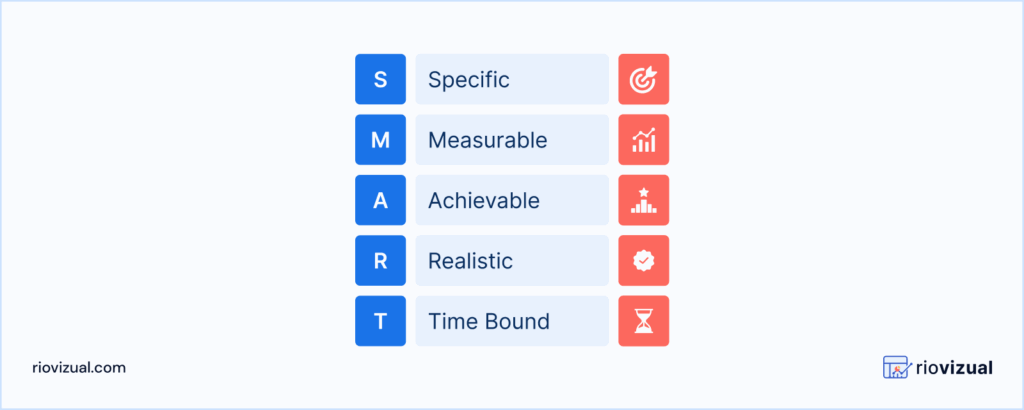
- S – Specific
- M – Measurable
- A – Achievable
- R – Realistic
- T – Time Bound
Once your SMART goals are in place, build a strategy around them. Choose your niche, define your audience, and decide your primary traffic channels. It not only keeps you focused but also helps you measure progress and adjust when needed.
#2 Choosing the Wrong Niche or Products
Another big reason affiliate marketers fail is choosing the wrong niche or products. Many beginners jump into hot niches like crypto, fitness, or luxury goods because they look profitable.

Others select random niches and products without verifying if there is genuine market demand. Without understanding the audience, product market fit, value proposition, or even basic marketing and business fundamentals, they ended up in a rat race.
Choosing niches this way often puts you in a market you don’t understand. Without understanding the product, market, and audience behaviour, you cannot create consistent, high-quality content.
Even worse, you could spend your time and money promoting a product or service that people don’t actually need.
How to Avoid This Mistake:
A good niche is a combination of what you enjoy, what the market needs and what can sustain your income. When choosing your niche or products, consider:
- Passion + Knowledge: Choose a niche where you are already an expert or have a genuine interest. It will make your content creation enjoyable and keep you consistent in the long run.
- Solving Real Problems: Real businesses are built on solving real problems. Ask yourself: can the product or service you choose make someone’s life or business easier, faster, or better? If so, you are on the right track.
- Market Demand: Use your marketing brain and utilize tools like Google Trends, Ahrefs, or SEMrush to analyze whether people are genuinely interested in your product or services and actively searching for them. Also, try to understand the signal if the demand is rising or falling.
- Go Micro Not Broad: Instead of going broad, focus on niche areas like “fitness”, such as “Home Workouts for Busy Professionals”. Micro niches will help you stand out and grow your authority faster.
- Monetization Potential: Passion alone won’t pay the bills. Understand whether the audience has buying intent and if the affiliate programs in the niche pay well enough to sustain your business.
#3 Relying on High Commissions Instead of Value
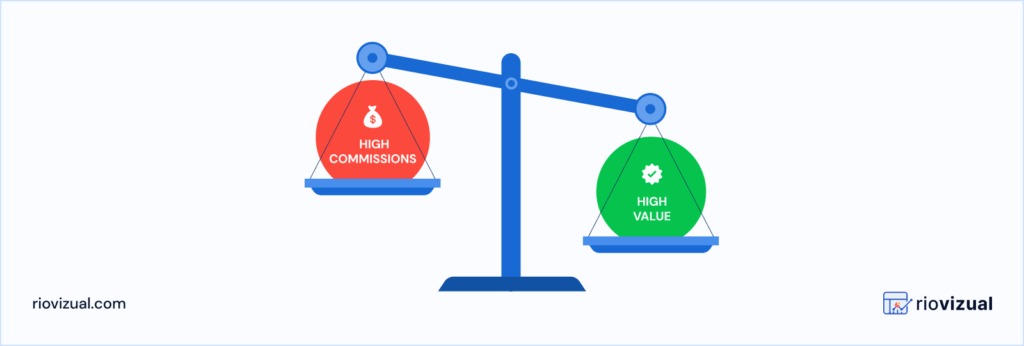
Many affiliates fall into the trap of chasing products that pay the highest commissions. It sounds tempting:
“Why promote a product that gives me $20 when I could earn $200 per sale?”
But here’s the problem: if the product doesn’t deliver real value, solve a problem, or fit your audience’s needs, the commission doesn’t matter.
Promoting high-ticket affiliate products without considering the quality or relevance often leads to poor conversions, refunds, and lost trust.
Affiliate marketing is not just about what you earn; it’s about what your audience gains. If you push products only for money, people will notice, and once trust is gone, your business will collapse.
How to Avoid This Mistake:
- Value First Approach: When promoting a product or service, always ask yourself, “Will this genuinely help my audience?” If yes, then look at the commissions.
- Check Reputation: Products from reliable companies are already known to people and have a high chance of being purchased. Always try to find the products with good customer support, low refund rates, and excellent customer reviews.
- Think Long Term: A single $200 commission looks great, but building a loyal audience that buys from you again and again is far more profitable.
Always keep one thing in mind, trust is the real currency in the Affiliate marketing business. The more value you provide to your audience, the more sales you will naturally generate.
#4 Failing to Identify the Target Audience:
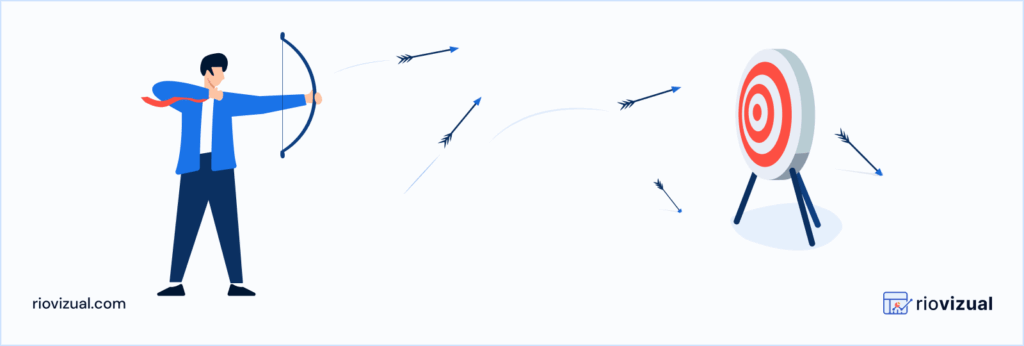
Imagine your car wheels are stuck while off-roading alone with no network signal and traction mats, and looking for rescue while hardly anyone takes that road.
That’s what happens when an affiliate business fails to identify the target audience. Many affiliate businesses start with hope and even do well at first. But they hit a wall after a few months, even years.
And the most common reason is failing to identify the right targeted audience. Suppose you choose a product or service without knowing your ideal client profile (ICP). In that case, you won’t understand their pain points or buying journey, and you won’t be able to personalize your content strategy.
And this will end up with your car (business) stuck in an unfamiliar path where few people go.
How to Avoid This Mistake:
- Define your ICP: Identify your ideal customers, including their age, profession, interests, challenges, and pain points.
- Map Your Buyer Journey: Understand the steps your audience takes from awareness to consideration to purchase.
- Personalize your Content Strategy: Tailor your content strategy to address your audience’s specific questions, needs, and pain points at each stage of their journey.
- Test and Refine: Use analytics, feedback, and surveys to refine your understanding of your target audience continually.
#5 Copying Others Instead of Building Authenticity

Copying others can help one pass a school exam, but not in business. Yet, many affiliate marketers make this mistake without realizing that their question papers are different.
Every business has a unique identity, specific circumstances, and a tailored strategy for content marketing. Copying someone else won’t help you add real value to your audience. Because what works for others’ businesses may not work for yours or mine.
So, authenticity is the key. When you stay true to your voice and audience, you can build a stronger brand identity and gain trust more effectively.
How to Avoid This Mistake:
- Develop Your Unique Voice: Speak in a way that reflects your identity, personality, and approach, not someone else’s.
- Stop Mimicking Others: Focus on how your audience wants to hear from you, and avoid mimicking others to pretend to be someone else.
- Take Inspiration, Not a Template: It’s completely fine to study competitors’ strategies and draw inspiration from others. But always take it as an inspiration and only adopt what fits your niche. Please don’t take it as a template that could be replicated blindly.
- Highlight your Experience: Share your personal stories, insights and lessons that only you can provide. It will help you to stand among thousands.
#6 Neglecting SEO Fundamentals and Content Quality:
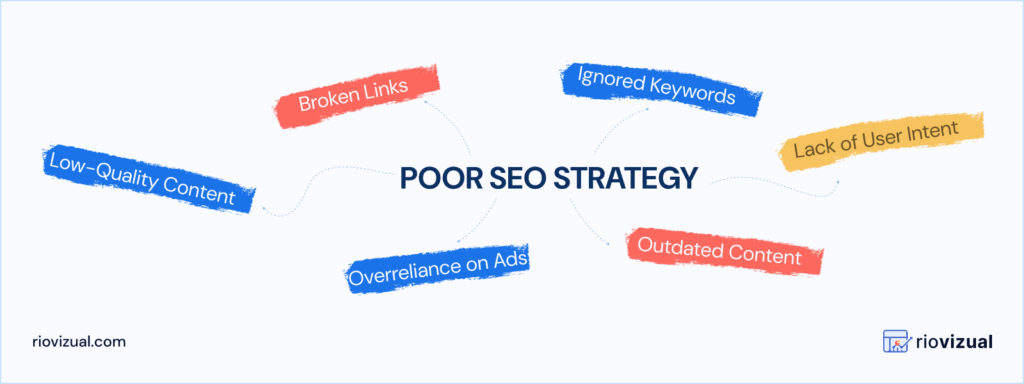
Many affiliate marketers operate on limited budgets at first since they only earn small commissions from the products or services they promote.
While ads can help generate quick commissions in the beginning, relying solely on ads is not a sustainable marketing strategy in the long run.
However, many of them make the mistake of neglecting the fundamentals of SEO and content quality. Often, an organically ranked page in search engines can drive sales for years without depleting your budget on paid ads.
Think of SEO as setting a solar panel for your affiliate marketing business. Once it’s in place, you don’t have to pay for every unit of electricity (clicks) the sun provides you.
And remember, SEO alone won’t help you if your content doesn’t serve people’s needs. Instead of stuffing keywords, always focus on producing in-depth, helpful content, following the key principles of SEO.
How to Avoid This Mistake:
- Apply Basic SEO Fundamentals: Understand keyword research, content creation and optimization, internal linking, and site structure, which are the foundations of organic visibility.
- Focus on User Intent: Write for the people who rely on your content to solve their problem. Don’t write for the search engine. Understand the user’s intent and tailor your content to fulfill the purpose better.
- Create Evergreen Content: Articles that remain relevant over time can bring traffic year after year. Besides covering trending topics, don’t hesitate to produce evergreen content that keeps your traffic stable.
- Update Old Content: Regularly update outdated content with the new insights, data, and links to maintain the ranking.
- Prioritize Quality over Quantity: Always aim to maintain the consistency of the clarity, depth, and value you offer. Prioritize creating 10 high-quality pieces of content over producing hundreds in bulk.
#7 Depending Solely on One Traffic Source:
There’s an old proverb you’ve probably heard many times:

ALT Tag: Don’t put all your eggs in one basket
And it applies perfectly to an affiliate marketing business. A common mistake many affiliates make is relying on one traffic source.
They focus all their energy on creating and optimizing content for a single channel, neglecting other opportunities to repurpose and distribute it across multiple channels.
Result? Their entire business depends on the rules and algorithms of that one channel. A penalty, algorithm change, or account suspension can ruin their years of effort overnight and put the business at risk.
Think of your content as the investment of your affiliate marketing business. And it’s not a wise decision to put all the effort into a single channel.
Rather than multiply them and utilize other channels to put your eggs (content) so you and your business get immunity from these sudden incidents.
How to Avoid This Mistake:
- Diversify Your Traffic Source: Don’t rely solely on Google, YouTube, or Facebook. Explore multiple channel ads and leverage their full potential to diversify your traffic growth across various channels.
- Repurpose Content: Turn your single blog post into a YouTube video, social media posts or an email newsletter to extend its lifespan.
- Build Your Own Media: Focus on creating your own channels, giving you complete control. Building your website and email list allows you to avoid being entirely dependent on third-party platforms.
#8 Relying on a Single Affiliate Program:
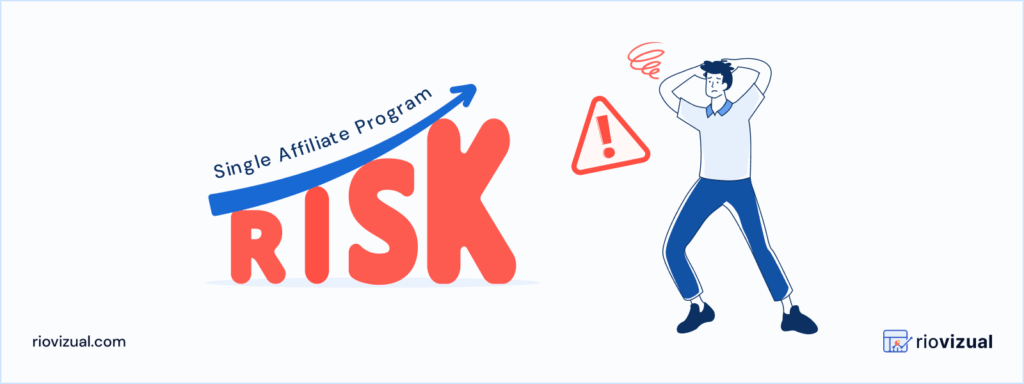
Relying on a single affiliate program is another common mistake beginners make. It creates dependency, giving the program complete control over your income.
What if the program shuts down tomorrow? Or quietly slashes its commission rates? Your entire business could collapse overnight.
Let’s take an example. Imagine you wrote an in-depth article on “15 Fastest WordPress Hosting Providers.”
You spent hours researching, comparing, and making it genuinely helpful for your readers. Even purchased some of their one-month plan to make it even greater.
Your article secured Google’s #1 position and earned a lot of traffic. And then most of your audience ends up purchasing the hosting service you put in the 5th position, which is from a hosting provider you’re not even affiliated with.
In this case, your effort was wasted because you relied on a single program, which is prioritised over the 14 others listed in your article.
The smarter approach is to build affiliate partnerships with multiple relevant and trustworthy products and services in your niche. That way, no matter which option your audience chooses, you remain benefited while also giving your audience the freedom to pick what suits them best.
How to Avoid This Mistake:
- Diversify Your Affiliate Relationship: Don’t depend on just one program and partner with multiple quality affiliate networks and companies in your niche.
- Priyorize Quality Over Quantity: Focus only on products and services you’d confidently recommend to your audience.
- Stay Updated: Monitor commission changes, new program launches, and industry trends to stay informed.
- Think Audience First: Recommend alternatives so your readers have options. It builds trust and increases your conversion potential.
#9 Failing to Get Traffic and Conversions:

Many beginners jump into competitive niches like health and wealth. On the surface, these niches look attractive because of their huge audience size and earning potential.
But they are the headset space to break into!
Google prioritises established authority in these areas because misinformation in health or finance can harm people’s lives. To prevent this, Google applies stricter standards through:
- E-E-A-T: Experience, Expertise, Authority, Trustworthiness.
- YMYL: Your Money, Your Life. (topics that affect health, safety, or finances)
Ranking on queries in these areas is complicated unless you are a certified expert or a trusted brand.
The Google Medic Update of 2018 and following updates have focused on addressing thin YMYL content. This trend continues with recent updates like the Helpful Content and Core updates.
For beginners, this often means struggling with both traffic and conversions for years. As a solopreneur, it can feel like running uphill with a boulder on the back.
That doesn’t make YMYL niches impossible, but they demand:
- Professional expertise or credentials
- Years of authority-building (backlinks, trust signals, loyal audience)
- Original insights beyond basic affiliate reviews
For most beginners, it’s smarter to pick niches that are profitable but not restricted by YMYL rules. For example, instead of “weight loss supplements,” you could try “fitness gear for small apartments.”
How to Avoid This Mistake:
- Choose non-YMYL niches where demand is high but authority barriers are lower.
- Focus on micro niches that are profitable and relatively easy to get into.
- If entering YMYL, partner with experts and use their expertise and credentials.
- Diversify your traffic with YouTube, TikTok, or an email list to reduce your dependence on Google.
#10 Ignoring Conversion Rate Optimization (CRO)
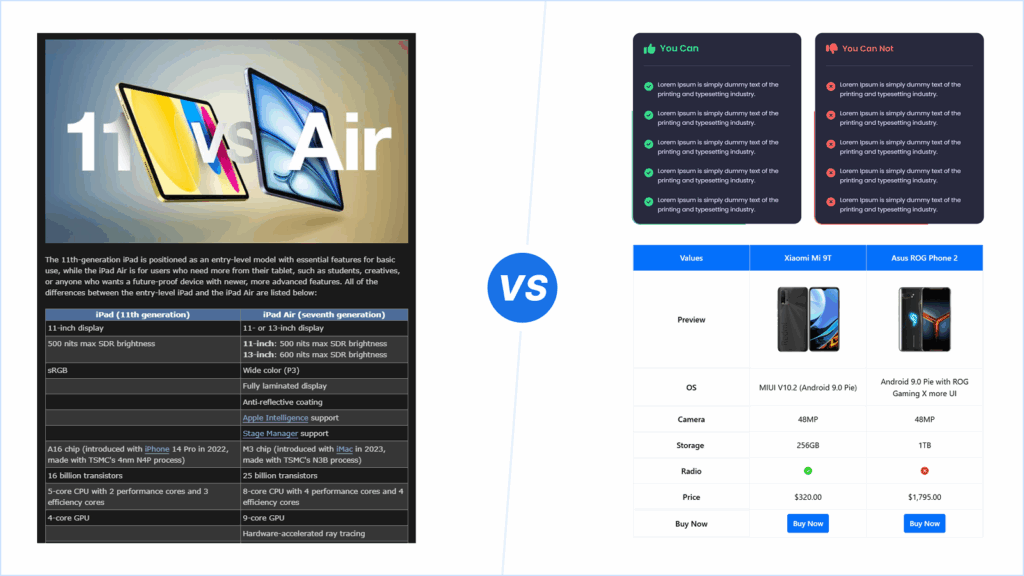
One of the most underrated mistakes affiliate marketers make is ignoring conversion rate optimization (CRO). At first, it doesn’t seem as important as traffic growth or SEO, but in reality, a poor conversion rate quietly eats away at your earnings.
You could be ranking on Google, getting steady traffic, and creating valuable content. But if your content and landing pages are not optimized to convert, you’re leaving money on the table.
For example, improving your conversion rate from 2% to 4% nearly doubles your earnings without the struggle of doubling your website traffic.
Common CRO mistakes in affiliate marketing include:
- Using plain text links instead of attention-grabbing buttons.
- Presenting information in an unclear or overwhelming way.
- Not testing different layouts, CTAs, or headlines.
- Neglecting mobile optimization, even though most affiliate traffic comes from mobile.
- Ignoring Schema Markup, which helps boost visibility in search results.
How to Avoid this Mistake:
- Make content Scannable: Use comparison tables, pros and cons lists, and clear call-to-action buttons to guide readers toward decisions.
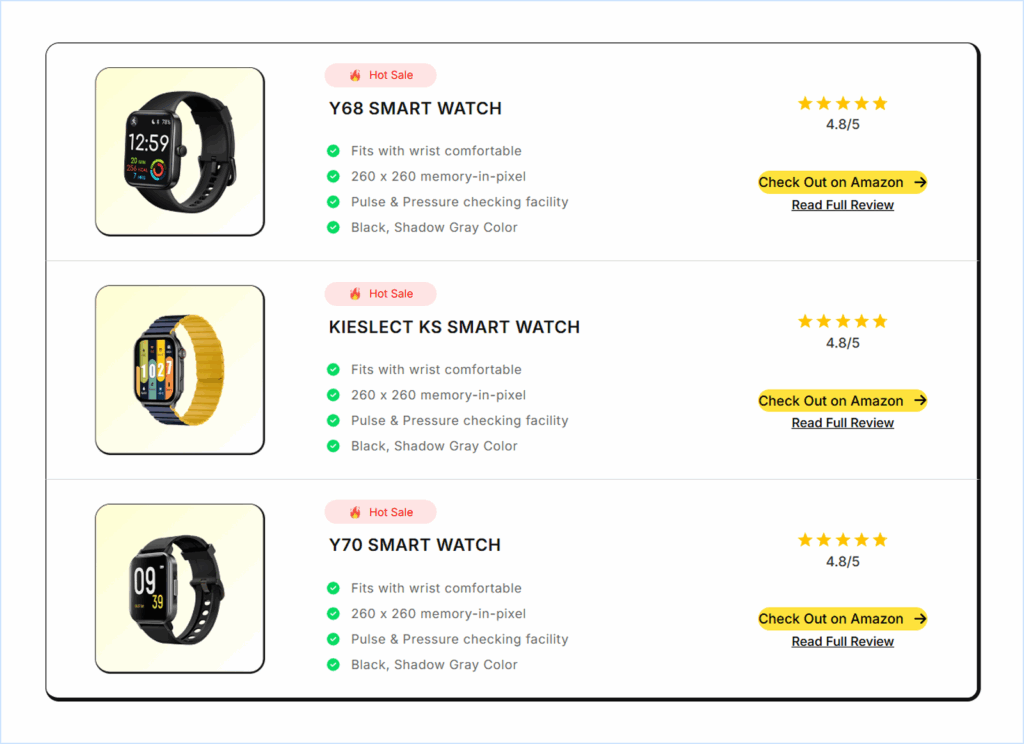
Created with RioVizual WordPress Plugin
- Focus on User Experience: Ensure your pages load fast, are easy to navigate, and work seamlessly on mobile devices.
- Test and Improve: A/B test your CTAs, layouts, comparison tables, product tables, and headlines to see what resonates with your audience and increases conversions.
- Use Schema Markup: Add product schema and pros and cons schema to improve visibility in search results.
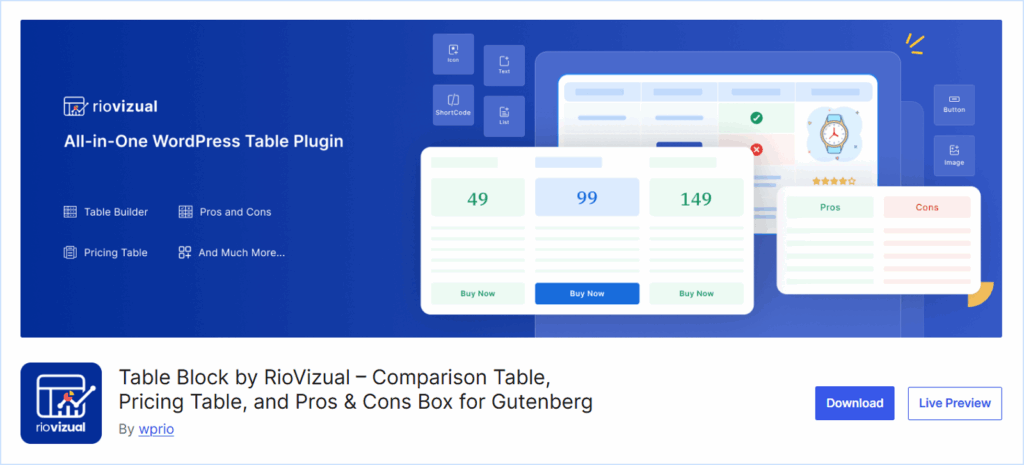
- Use Tools that help CRO: Use RioVizual for creating high-converting comparison tables, schema-ready Pros and Cons tables, and Advanced Data and Pricing Tables for any WordPress website.
Riovizual comes with 57+ pre-designed conversion-ready templates that let you create tables in just a few clicks.
#11 Ignoring Analytics, Sales Funnel, and Remarketing:
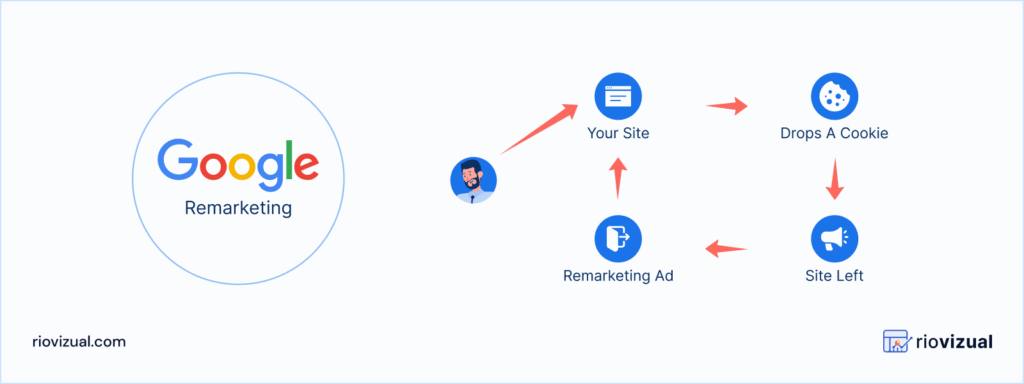
A common mistake most affiliate marketers make is treating affiliate marketing as create → publish → forget.
They focus on creating content but never track its performance, build funnels, or use remarketing.
Without analytics, they can’t determine which pages drive the most clicks, which CTA generates the most engagement, or which visitors are dropping off.
Without a funnel, many affiliates are missing the opportunity to nurture visitors to improve their buying journey. And at the same time, without adopting a remarketing strategy, they are letting their warm prospects slip away.
How to Avoid This Mistake:
- Track Everything: Utilize Google Analytics, Search Console, Affiliate Dashboards, and Heatmaps to identify what’s working and what’s not.
- Use Cookie Banners: Utilize cookie banners to inform the audience that you are tracking their activities for remarketing purposes.
- Build Simple Funnels: Use lead magnets and email sequences to turn casual readers into repeat visitors and customers.
- Leverage Remarketing: Run retargeting ads on Google, Facebook, or even email follow-ups to re-engage people who didn’t convert the first time, even for those who convert once and need these products regularly.
#12 Using Pirated Tools or Plugins:
Affiliate websites depend on user trust, smooth navigation, and a seamless user experience.
But if the site loads slowly, breaks on mobile, or misleads visitors with spammy doorway pages and unwanted ads, people will leave before they even see your content.
Unfortunately, many beginners fall into this trap. To save a little money, they install nulled WordPress themes, cracked GPL plugins, shared SEO tools, or settle for cheap, unreliable hosting.
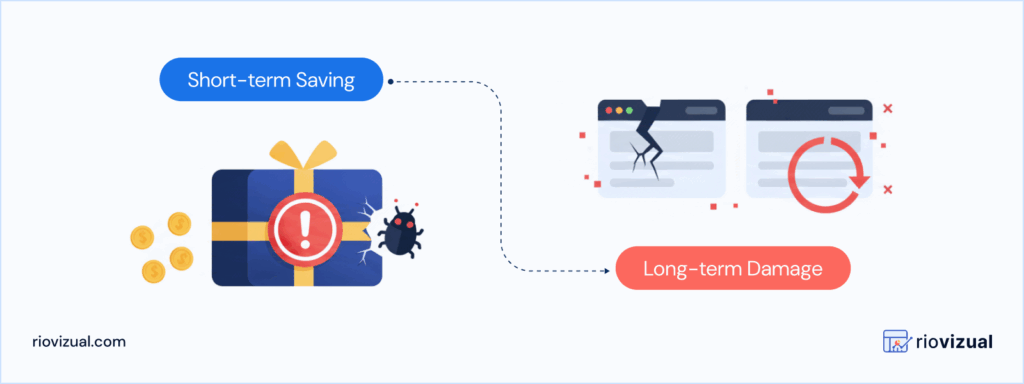
And the result? The short-term savings almost always backfire.
Pirated plugins and themes often come with malware, create hidden doorway pages, shady redirects, or even illegal ads.
Shared SEO tools compromise the data and privacy. And the poor hosting slows everything down, just when the traffic starts to grow.
In the long run, these shortcuts damage the site’s SEO, reputation, and earning potential.
How to Avoid this Mistake:
- Always invest in licensed themes and plugins from trusted sources.
- Use reputable free tools from the official WordPress repository if your budget is tight.
- Choose reliable hosting that can grow with your site.
- Always think long term; the money you save with pirated tools will cost far more in lost visitors, SEO penalties, and security issues.
#13 Neglecting Site Speed and Technical Performance:

Think of your site as a physical store. If the doors are jammed, the lights flicker, and the customers have to wait 10 minutes before they’re served. They won’t stick around, no matter how good your products are.
The same thing happens online when your website loads slowly after someone taps your link.
Every second counts in affiliate marketing, as attention span and reading habits decline daily. If your site takes too long to load, visitors won’t wait!
They’ll hit the back button and find the answer elsewhere. Slow site speed not only hurts user experience but also directly impacts SEO rankings, bounce rates, and ultimately affects conversion and earnings.
Common Technical Mistakes Include:
- Not optimizing images, scripts, and CSS.
- Ignoring Core Web Vitals (Google’s page experience signals).
- Using cheap hosting that slows down as traffic grows.
- Failing to make the site mobile-friendly.
- Skipping security essentials like HTTPS.
- Not fixing the 404 error pages.
How to Avoid this Mistake:
- Use caching plugins like WP Rocket and LiteSpeed Cache to speed up loading times.
- Regularly test site performance with Google PageSpeed Insights, GTmetrix, or Lighthouse.
- Invest in fast and reliable hosting that can scale with your audience.
- Ensure your site passes Google’s Core Web Vitals benchmarks.
- Secure your site with an SSL Certificate (HTTPS).
- Monitor broken links and set up proper 301 redirects for 404 pages.
#14 Not Disclosing the Affiliate Relationship:

As I said earlier, “Trust is the currency of any affiliate marketing business.” If your readers feel tricked or misled, you will lose them forever.
A common mistake many beginners make is failing to disclose their affiliate relationship to their audience. They hide their links and don’t disclose to readers that they earn a commission from purchases.
While it may seem like a way to increase clicks, it usually does the opposite in the long run.
It not only hurts the credibility but also violates regulations. Authorities like the FTC (Federal Trade Commission) in the U.S. require affiliate disclosures. Failing to add them can lead to penalties and bans from affiliate programs.
Readers aren’t against you earning commissions. In fact, most people respect transparency. When you’re honest, you build trust, which increases conversions over time.
How to Avoid This Mistake:
- Always add a clear disclosure like: “This post contains affiliate links. If you buy through them, I may earn a commission at no extra cost to you.” at the start of blog posts, reviews, or emails.
- Place disclosures in visible locations (not hidden in the footer).
- Check affiliate program guidelines to ensure compliance.
#15 Not Creating Own Products:

Affiliate marketing is a powerful and performance-driven business model. But at the same time, it comes with a high risk of burnout and frustration.
When you rely solely on promoting other people’s products, your business is vulnerable to external factors such as program changes, commission cuts, or product shutdowns.
“High-earning affiliate marketers are not immune to challenges; 31.3% of those affiliates earning six figures annually have considered quitting at some point.” – Affiliate WP
The biggest reason behind this is the lack of control. Without your own product, you cannot influence quality, pricing, or even shape a long-term marketing strategy.
In reality, building an affiliate-only business often means you’re building someone else’s brand while keeping only a small share of the profit.
But there is always an opportunity!
Building a business using your marketing channels and audience would be easy if you have already established an authority and trust.
You can create your own product or service, and leverage your channels and audience to promote them.
Many affiliates make the mistake of waiting too long. They miss their golden time to launch something of their own and later regret not having an asset that could scale independently.
How to Avoid This Mistake:
- Develop Your Own Products or Services: Start by creating products/services, such as eBooks, courses, hosting, or software, that align with your niche.
- Utilize White Labelling: Utilize the concept of white labelling. It would help you to create your own products or services without directly manufacturing them at first. But still have the control.
- Adopt a Hybrid Model: Combine affiliate promotions with your own products to diversify your revenue source and reduce the dependency on third-party programs.
- Validate Ideas with Your Audience: Run surveys, polls, and feedback sessions to understand what your audience truly needs.
It will help you take control of your entire business model, marketing strategy, and earnings, while also laying a solid foundation for a stable business.
Reasons Behind These Affiliate Marketing Mistakes
Most of these Affiliate Marketing mistakes are made unknowingly due to a lack of proper business mindset and skills. Let’s explore the most common reasons:
- Treating affiliate marketing as a digital marketing skill instead of a business.
- Expecting it to be a quick-rich scheme and setting unrealistic goals at the start.
- Copying others blindly without realizing that their question papers are different.
- Ignoring the importance of learning, mentorship, or proper training.
- Neglecting long-term fundamentals while chasing shortcuts or black-hat techniques.
- Focusing only on trends rather than making a solid foundation.
Conclusion
Thank you for taking the time to read the article. We have shared all the necessary information you should know about the common mistakes most affiliates make. And the possible ways to avoid these mistakes.
We would love it if you found this article helpful and learned something new from it. Share the article with your loved ones who are just starting their affiliate career or making the same mistakes.
Are there other reasons why Affiliate marketing fails? If yes, don’t hesitate to share your thoughts in the comment section below.
Wish you a very successful affiliate marketing career.

Leave a comment